Fueling during a race: the right strategy
In a 10K, fueling comes down to a few sips of water. In a marathon, it becomes part of performance in its own right, just like pace: a runner who does not fuel properly between mile 6 and mile 18 will almost always pay the bill over the last 6. This guide explains what to drink and eat during a race by distance, based on the guidelines of Jeukendrup (2010, 2014), the American College of Sports Medicine and the international consensus on exercise-associated hyponatremia (see sources).
Why fuel during the effort?
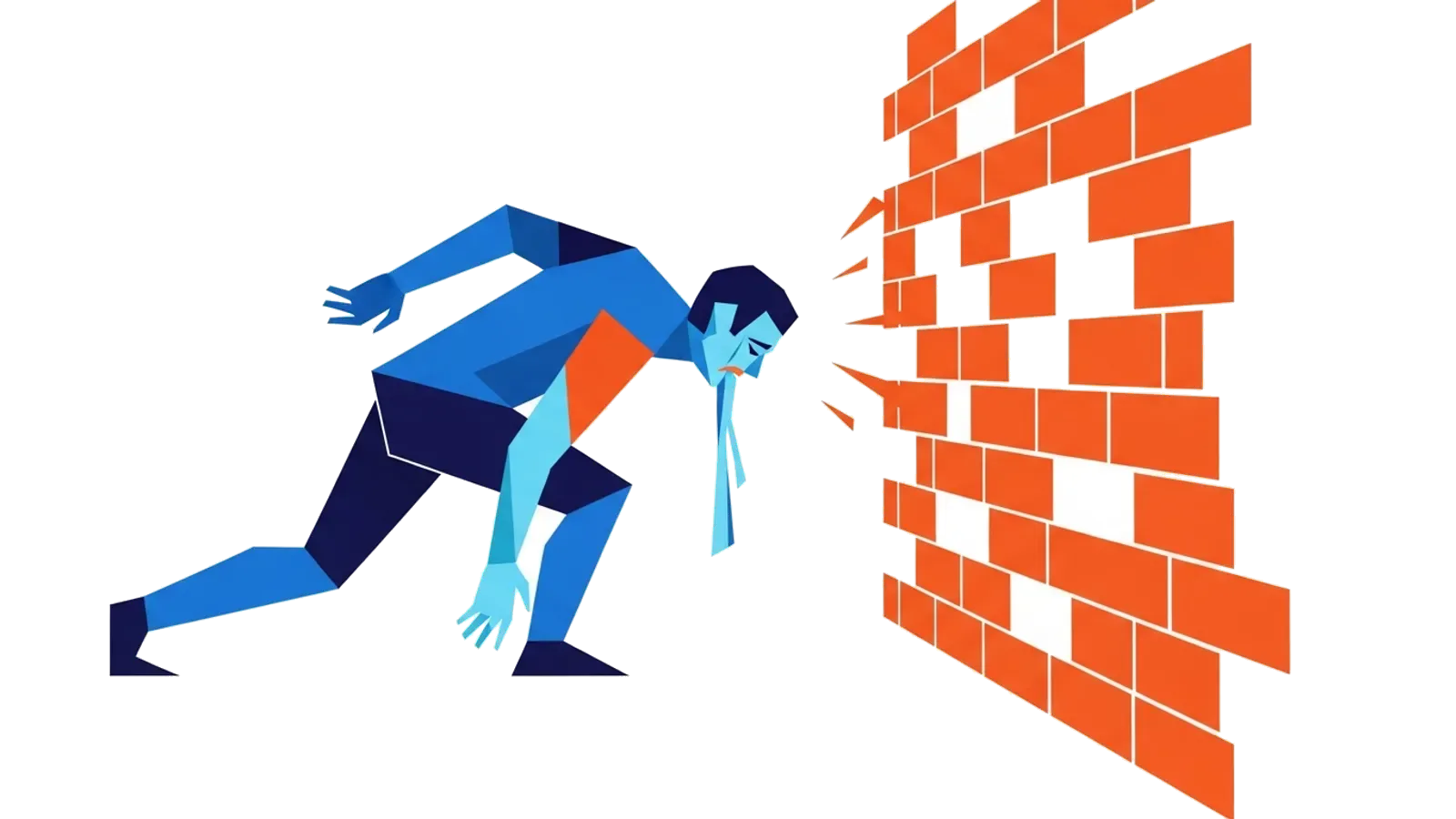
Your muscles and liver store about 400 to 500 g of glycogen, enough to cover roughly 90 minutes to 2 hours of effort at race pace depending on your level and how well you loaded beforehand. Beyond that, the body relies more on fat, an abundant fuel but slower to mobilize, and pace drops: that is the mechanism of the marathon wall. Taking carbohydrate during the race delays this depletion, holds blood sugar and, less well known, also acts on the brain: even over one-hour efforts, simply having carbohydrate in the mouth slightly improves performance (Jeukendrup, 2014).
How many carbs per hour?
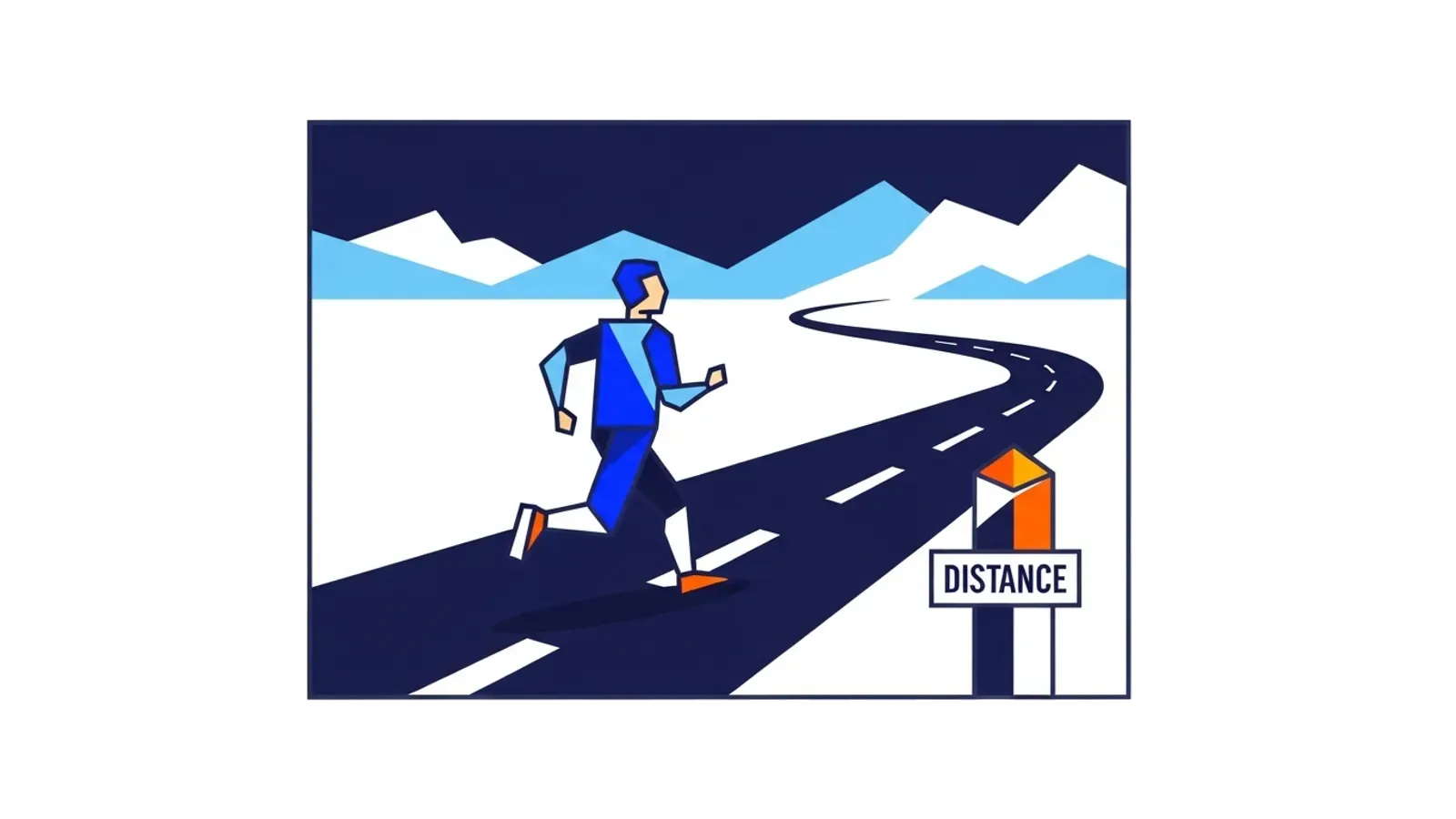
The amounts depend above all on how long the effort lasts, not on the distance as such. The reference guidelines (Jeukendrup, 2014; ACSM, 2016) are:
| Effort duration | Recommended carbs | Type of carbs | In practice |
|---|---|---|---|
| Under 45 min | None needed | - | Water if hot |
| 45 min to 1:15 | Small amounts, or a mouth rinse | Any | A few sips of sports drink |
| 1 to 2 h | 30 g/h | One type is enough (glucose, maltodextrin) | 1 gel per hour or 17 oz (500 ml) of sports drink |
| 2 to 3 h | 60 g/h | Glucose + fructose advised | 2 gels per hour, or 1 gel + drink |
| Over 3 h | Up to 90 g/h (trained runners) | Glucose + fructose essential (ratio close to 2:1) | 2 to 3 gels per hour + drink, after gut training |
The key point above 60 g/h: the gut only absorbs glucose at about 60 g per hour, through a transporter that saturates. Fructose uses a different transporter, which allows more total absorption when the two sugars are combined (Jeukendrup, 2010). That is why most modern gels and drinks mix maltodextrin and fructose. For a runner aiming for a 4-hour marathon, 60 g/h means about 240 g of carbohydrate over the race, 8 to 10 gels, or a mix of gels and drink at the aid stations.
Needs by distance
| Distance | Typical duration | Hydration | Carbs | In practice |
|---|---|---|---|---|
| 5K | 15-40 min | Not needed | Not needed | Nothing |
| 10K | 35-75 min | A few sips if hot | Optional | 1 water stop, maybe a gel at the start |
| Half marathon | 1:15-2:30 | To thirst, 5-8 oz (150-250 ml) every 20 min when hot | 30-60 g/h | 1 to 3 gels, water at every aid station |
| Marathon | 2:30-5:00+ | To thirst, 14-27 oz (0.4-0.8 L) per hour depending on heat and size | 60-90 g/h | 6 to 10 gels or equivalent, sports drink |
Hydration benchmarks: the ACSM position (2007) cites intakes of about 14 to 27 oz (0.4 to 0.8 L) per hour, the higher values applying to fast or heavy runners or strong heat. The hyponatremia consensus recommends drinking to thirst rather than on a fixed schedule, because drinking well beyond sweat losses dilutes blood sodium and can cause serious problems (Hew-Butler et al., 2015). A slow marathoner who drinks a full cup at every aid station every mile and a half is typically at risk.
Gels, drinks, solids: what to choose?
| Form | Carbs per serving | Pros | Cons |
|---|---|---|---|
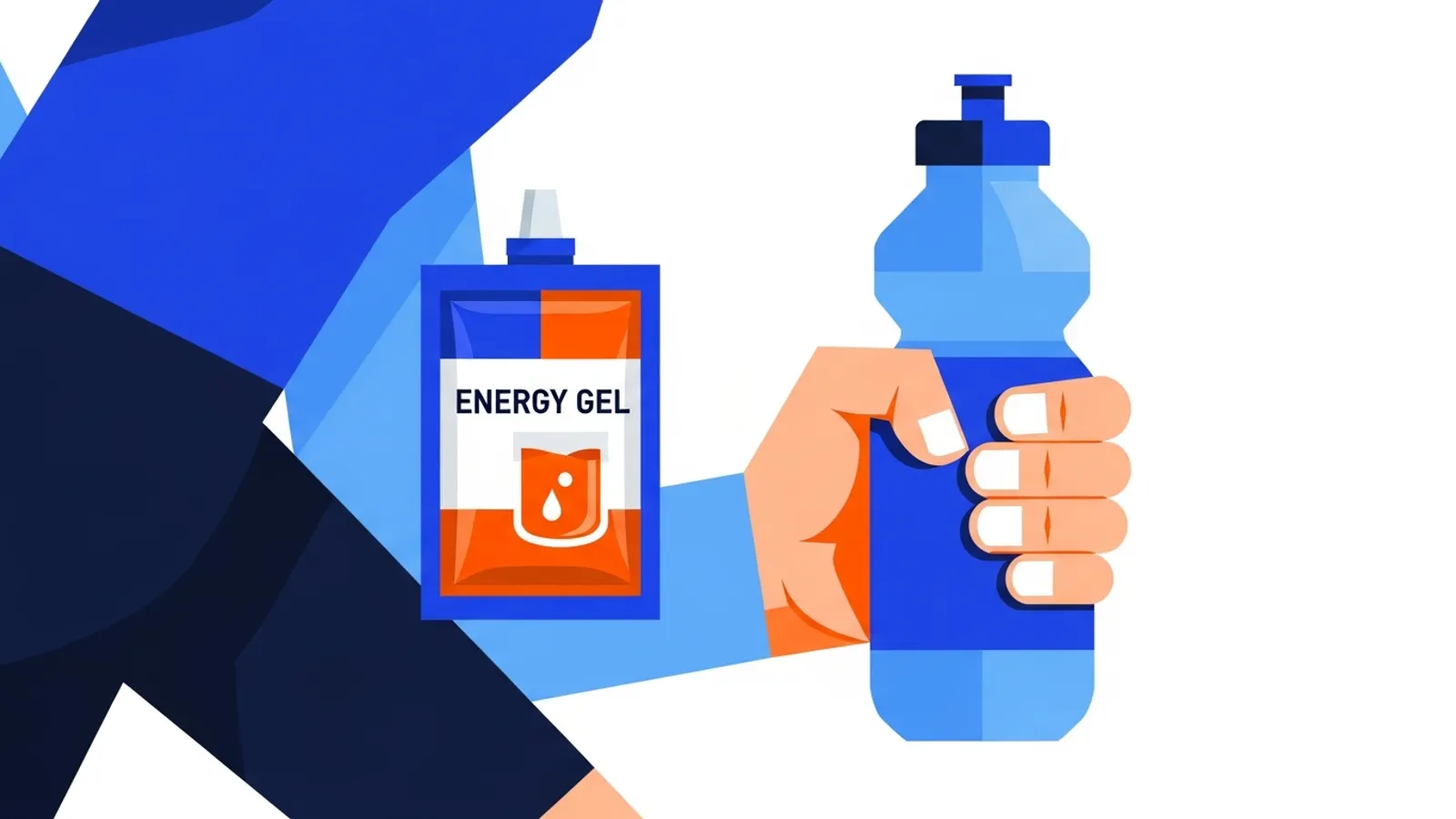
| Energy gel | 20-30 g (up to 40 g for "high dose" formats) | Compact, precise dose, fast | Texture sometimes poorly tolerated, take with water |
| Sports drink (6-8% carbs) | 30-40 g per 17 oz (500 ml) | Water, carbs and sodium at the same time | Hard to carry, variable dose at aid stations |
| Chews and fruit jellies | 20-30 g per pack | Chewable, pleasant in a slow marathon | Slower to absorb, hard at fast paces |
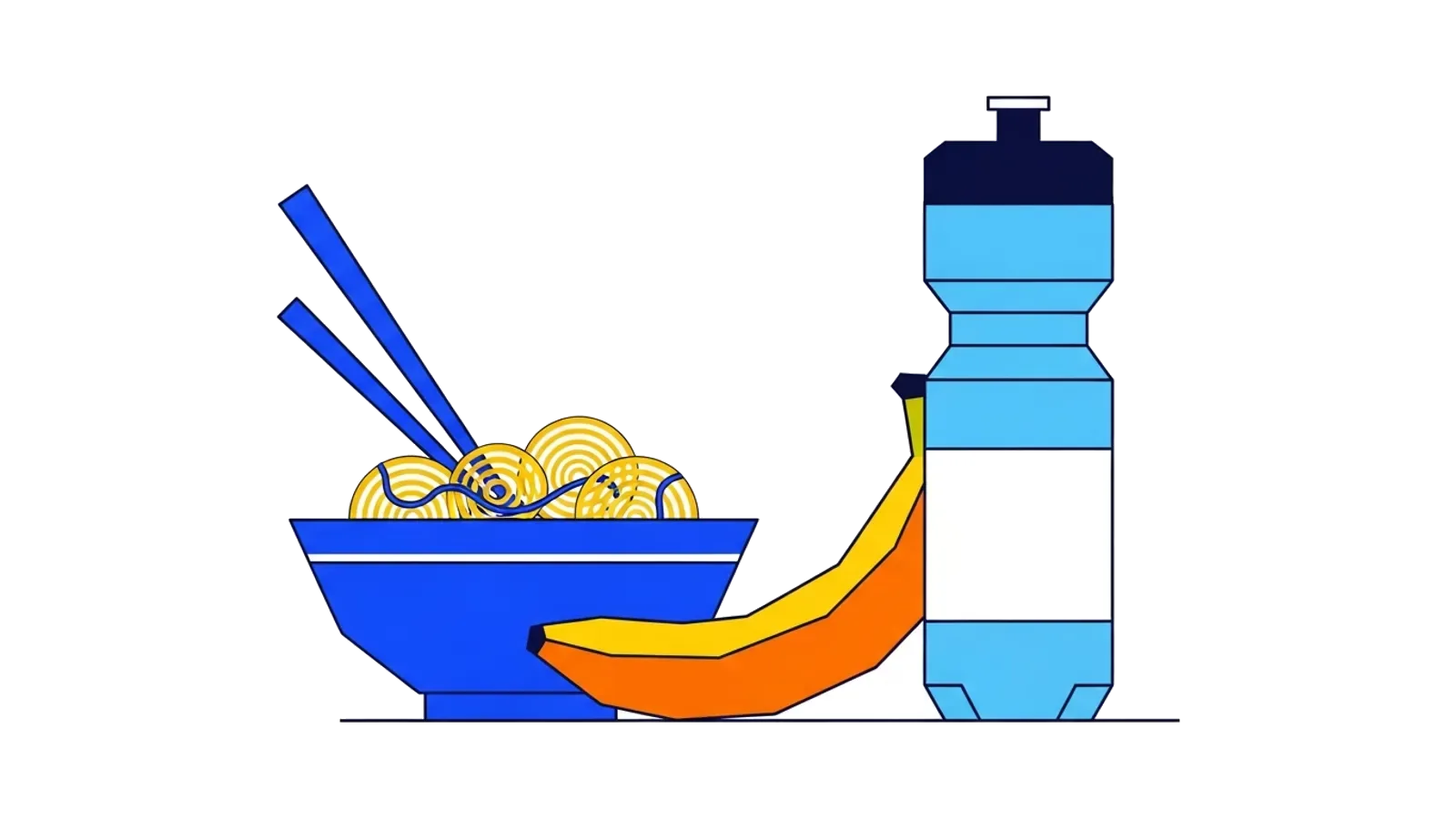
| Banana, dried fruit, bars | Variable (20-30 g) | Natural, cheap | Fiber, chewing, digestive risk at fast paces |
A drink with 6 to 8% carbohydrate (60 to 80 g per liter) is the most effective compromise between energy supply and gastric emptying. Above 10%, emptying slows and digestive problems increase. Gels should therefore always be taken with 5 to 7 oz (150 to 200 ml) of water, never with sports drink, or too much sugar ends up concentrated in the stomach.
A typical marathon fueling plan (3:30 to 4:30 goal)
| Where | Fuel | Fluids |
|---|---|---|
| Start (15 min before) | 1 gel | 5-7 oz (150-200 ml) of water |
| Mile 3 | Water only | 5 oz (150 ml) |
| Mile 6 | 1 gel | 5-7 oz |
| Mile 9 | Sports drink | 5-7 oz |
| Mile 12 | 1 gel | 5-7 oz |
| Mile 15.5 | 1 gel or sports drink | 5-7 oz |
| Mile 18.5 | 1 gel (with caffeine if tested) | 5-7 oz |
| Mile 21.5 | 1 gel | 5 oz |
| Mile 25 | Water or a few sips of drink | 3 oz (100 ml) if needed |
This plan provides about 40 g of carbohydrate per hour for a 4-hour runner: that is a minimum, to raise toward 60 g/h if your stomach tolerates it in training. Shift it to match your race's official aid stations (usually every 5 km, about every 3 miles): check the race rules to see whether a sports drink is offered and which brand, so you can try it first. Adjust the amounts to your pace with the marathon pace calculator: a 3-hour runner will take a gel about every 4 miles, a 5-hour runner about every 2.5 miles.
And for the half marathon?
For a half run under 1:30, a gel at the start and maybe a second around mile 7.5 are enough, with water at the aid stations. Between 1:30 and 2:30, aim for 30 to 40 g per hour: one gel at the start, one around mile 4 and one around mile 9, for example. The half marathon calculator helps you place these intakes according to your goal pace.
Train your gut
Gastrointestinal trouble in races (cramps, bloating, nausea, urgency) is common and affects a large share of distance runners; it is favored by dehydration, overly concentrated drinks, fiber and fat, and new products (de Oliveira et al., 2014). The good news is that tolerance can be trained: taking carbohydrate on long runs, gradually increasing the dose over several weeks, improves absorption and reduces discomfort. Aim for at least 4 to 6 long runs "in race conditions" before a marathon.
Caffeine in the second half
Caffeine improves endurance performance at doses of 3 to 6 mg/kg (Guest et al., 2021). Taken around mile 15 to 18, a caffeinated gel (usually 50 to 100 mg) gives a welcome boost of alertness just as mental fatigue sets in. Like everything else, it must have been tested in training: some stomachs handle it poorly mid-effort.
Golden rule: test nothing on race day
Every gel, drink and food should have been tried on a long run, ideally at the same time of day and with the same breakfast as on race day (see our guide to what to eat before a race). If the race provides a drink you do not know, buy some beforehand and test it. And if a product sits badly in training, it will sit even worse in the race.
FAQ: race fueling
How many gels should I take in a marathon?
Between 6 and 10 depending on your finish time and the size of the gels. At 60 g of carbohydrate per hour with 25 g gels, a 3:30 runner will take 8 to 9, spaced every 25 to 30 minutes. Part of this intake can be replaced by sports drink taken at the aid stations, which lightens what you carry.
Should I take a gel in a 10K?
It is not essential: glycogen stores easily cover an effort under an hour. A gel taken 15 minutes before the start can still bring a slight benefit, notably through its effect on the brain, for runners who take more than 50 minutes. During the race itself, a few sips of water are enough.
How much should I drink during a marathon?
Drink to thirst, which usually means 14 to 27 oz (400 to 800 ml) per hour depending on temperature and your size, in small amounts of 5 to 7 oz at each aid station. Drinking a full cup at every water stop without being thirsty, especially in a marathon over 4 hours in cool weather, exposes you to hyponatremia.
What if a gel does not go down during the race?
Slow down slightly for a few minutes, take small sips of plain water and wait for the discomfort to pass before resuming, favoring diluted sports drink rather than another gel. If nausea persists, stick to water and sweet mouth rinses. For the next race, change products and test them over several long runs.
Can you replace gels with real food?
Yes, at moderate paces: bananas, fruit jellies, dates or gingerbread provide effective carbohydrate. Their downside is chewing, fiber and slightly slower absorption, which makes them less practical at fast paces. Many runners combine solid food in the first half of a marathon and gels in the second half.
This information is educational and does not replace the advice of a sports doctor or a physical therapist. It was written by the Tempocito editors and has not been reviewed by a named health professional. The figures rely on the scientific and institutional sources listed at the end of the article.
If pain persists, gets worse, is intense or appears at rest, see a health professional.
Sources
- Jeukendrup A (2014). A step towards personalized sports nutrition: carbohydrate intake during exercise. Sports Med. 2014;44(Suppl 1):25-33. Link
- Thomas DT, Erdman KA, Burke LM (American College of Sports Medicine, Academy of Nutrition and Dietetics, Dietitians of Canada) (2016). Joint Position Statement: Nutrition and Athletic Performance. Med Sci Sports Exerc. 2016;48(3):543-568. Link
- Sawka MN, Burke LM, Eichner ER, Maughan RJ, Montain SJ, Stachenfeld NS (American College of Sports Medicine) (2007). Position Stand: Exercise and Fluid Replacement. Med Sci Sports Exerc. 2007;39(2):377-390. Link
- Hew-Butler T, Rosner MH, Fowkes-Godek S, et al. (2015). Statement of the Third International Exercise-Associated Hyponatremia Consensus Development Conference, Carlsbad, California, 2015. Clin J Sport Med. 2015;25(4):303-320. Link
- Jeukendrup AE (2010). Carbohydrate and exercise performance: the role of multiple transportable carbohydrates. Curr Opin Clin Nutr Metab Care. 2010;13(4):452-457. Link
- de Oliveira EP, Burini RC, Jeukendrup A (2014). Gastrointestinal complaints during exercise: prevalence, etiology, and nutritional recommendations. Sports Med. 2014;44(Suppl 1):S79-S85. Link
- Guest NS, VanDusseldorp TA, Nelson MT, et al. (International Society of Sports Nutrition) (2021). International Society of Sports Nutrition position stand: caffeine and exercise performance. J Int Soc Sports Nutr. 2021;18(1):1. Link